

THE TRUTH IN PACKAGING; WHY LIGHT PROTECTION MATTERS
Plant-based ingredients, essential oils, and tallow are highly susceptible to quality changes when exposed to sunlight or strong indoor lighting. From the sun streaming through a window to bright overhead bulbs in homes and stores, protecting skincare from light and heat is essential to preserving freshness.
Have you ever left a bottle of your favorite lotion in a hot car, or bought a product displayed in direct sun, only to find the texture separated or the scent turned “off”? That’s light and heat at work.
 UV radiation and heat can cause problems for both emulsified lotions and tallow-based balms, just in different ways. In oil-and-water formulas, light and heat can weaken the ingredients that keep everything smoothly blended, leading to separation, off-odors, and a shorter usable life. In tallow-based products, excess light and warmth can accelerate oxidation of the fat itself, which shows up as changes in texture, color, and that unmistakable “rancid” smell. Either way, when skincare formulas sit in bright, warm conditions, they’re more likely to lose their benefits and go bad sooner—wasting product and money, no matter which base you choose.
So how do you help your natural skincare last as long as possible? Packaging plays a crucial role.
CLEAR GLASS & PLASTIC

Clear glass and clear plastic bottles and jars offer the least protection for natural skincare because they leave formulas exposed to the highest levels of light and potential heat buildup. Over time, this exposure can degrade sensitive ingredients, stress preservative systems, and increase the risk of texture changes, off-odors, and—if preservation fails—bacterial or fungal growth. For formulas rich in plant oils, herbs, essential oils, or even animal fats like tallow, choosing packaging that blocks light is a simple way to support both safety and shelf life.
FROST, COBALT & AMBER

While frosted or tinted packaging is generally a better choice than completely clear containers, it still doesn’t offer full protection. These finishes reduce the amount of light that reaches the formula, but they don’t fully block it, so sensitive ingredients can still be gradually affected over time. Amber and other dark bottles are excellent at filtering UV and blue light, yet they don’t address every cause of instability, such as repeated temperature swings or poor storage, so formulas can still lose some effectiveness if they’re not handled with care.
Keep in mind that recycling options for frosted, cobalt, or amber containers can vary by community. Not all municipalities accept all colors or mixed glass and plastic, and local guidelines often treat clear or white materials differently from darker shades. It’s always best to check with your local recycler before placing colored packaging in the bin, since materials they don’t accept can lower the quality or value of an entire batch of recyclables.
LIGHT BLOCK

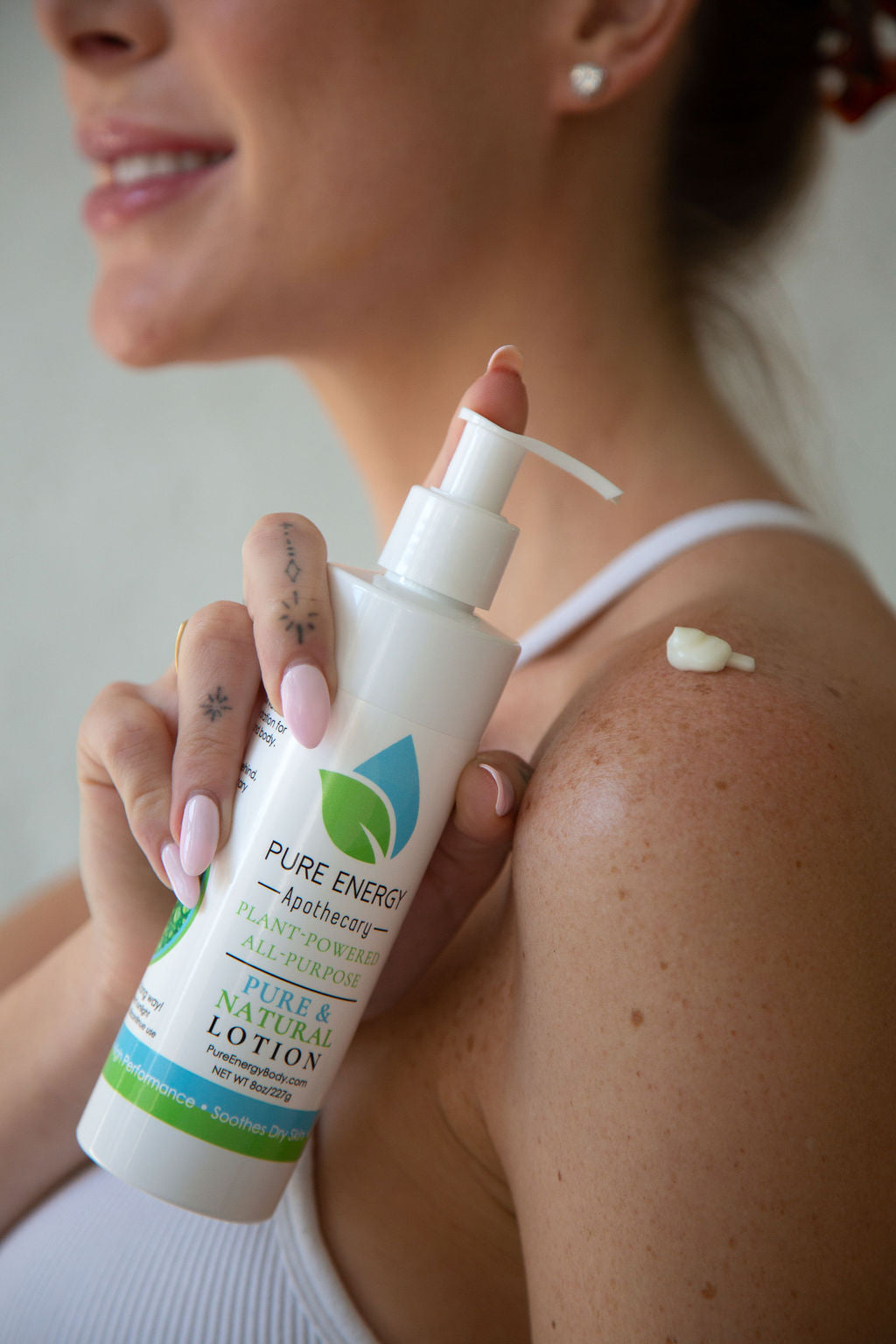
Opaque, light-blocking white packaging offers excellent protection for skincare. By blocking UV and visible light and reflecting heat rather than absorbing it, white containers help:
Maintain ingredient stability.
Support preservative systems.
Extend the effective life of the product.
From a recycling standpoint, white materials are often highly versatile because they can be re-colored in later manufacturing processes, making them a strong option for both product integrity and circularity (where accepted by local programs).
With thoughtful packaging and storage away from direct heat and light, your skincare can stay fresher, more effective, and more enjoyable—right down to the last scoop.

Leave a comment